October 19, 2026
Dermatofibroma: Normally Just An Aesthetic Problem: Dermatology And Skin Clinic
By @beckettgkcj337
❦
All About Dermatofibroma Although normal DFs are easily determined both medically and histologically, the presence of versions can make complex diagnosis and may require biopsy confirmation. A dermatofibroma, likewise called a benign coarse histiocytoma, is an usual, benign, and scar-like blemish. They normally appear on the legs and have a higher occurrence in ladies. In conclusion, dermatofibroma is a common skin sore that you could create as a grownup. Dermatofibroma is normally very easy to identify medically, sustained by dermoscopy. The most usual dermoscopic pattern is a central white location bordered by a faint pigment network. Nonetheless different patterns may be seen in skin of colour. If you think you Skin Appearance have a Dermatofibroma, or have any kind of concerns about your skin, do not be reluctant to connect to us at Apollo Dermatology. Many people will certainly as a matter of fact have several dermatofibromas. A physician can identify a dermatofibroma visually throughout a physical evaluation. No special screening is called for unless there are issues that the area concerned might be cancerous and as a result not a dermatofibroma. Therapy is not needed unless it is triggering discomfort or is in an area in which it continues to obtain trauma that causes bleeding or pain. Some researchers suggest that they may establish following an injury to the skin, such as an insect bite or a small injury like a thorn while gardening. Differential medical diagnoses may include juvenile xanthogranulomas, squamous cell carcinomas, metastatic carcinoma of the skin, or melanocytic lumps, benign and deadly, among others. Checkup exposed a firm, dark brownish, domeshaped nodule on the woman's left knee. Lateral compression of the lesion led to dimpling of the skin. The rest of the health examination findings were regular. A 35-year-old lady offered with a slow-growing, dark brown lesion on the left knee of 2 to 3 years' duration.
Dermatofibroma Elimination Lotion: What's Realistic And What's Marketing
- In many cases, a dermatofibroma seems to appear after a minor trigger, and in others, there's no noticeable reason in all.
- Numerous dermatofibromas can create in clients with modified resistance such as HIV, immunosuppression, or autoimmune problems.
- They are usually brown or red in colour and can appear anywhere on the body yet are most frequently located on the legs.
- They often do not expand substantially, although they may dim slightly gradually.
- This lesion usually causes no symptoms besides the changes in skin look, though they can become scratchy or perhaps agonizing.
Dr Liji Thomas
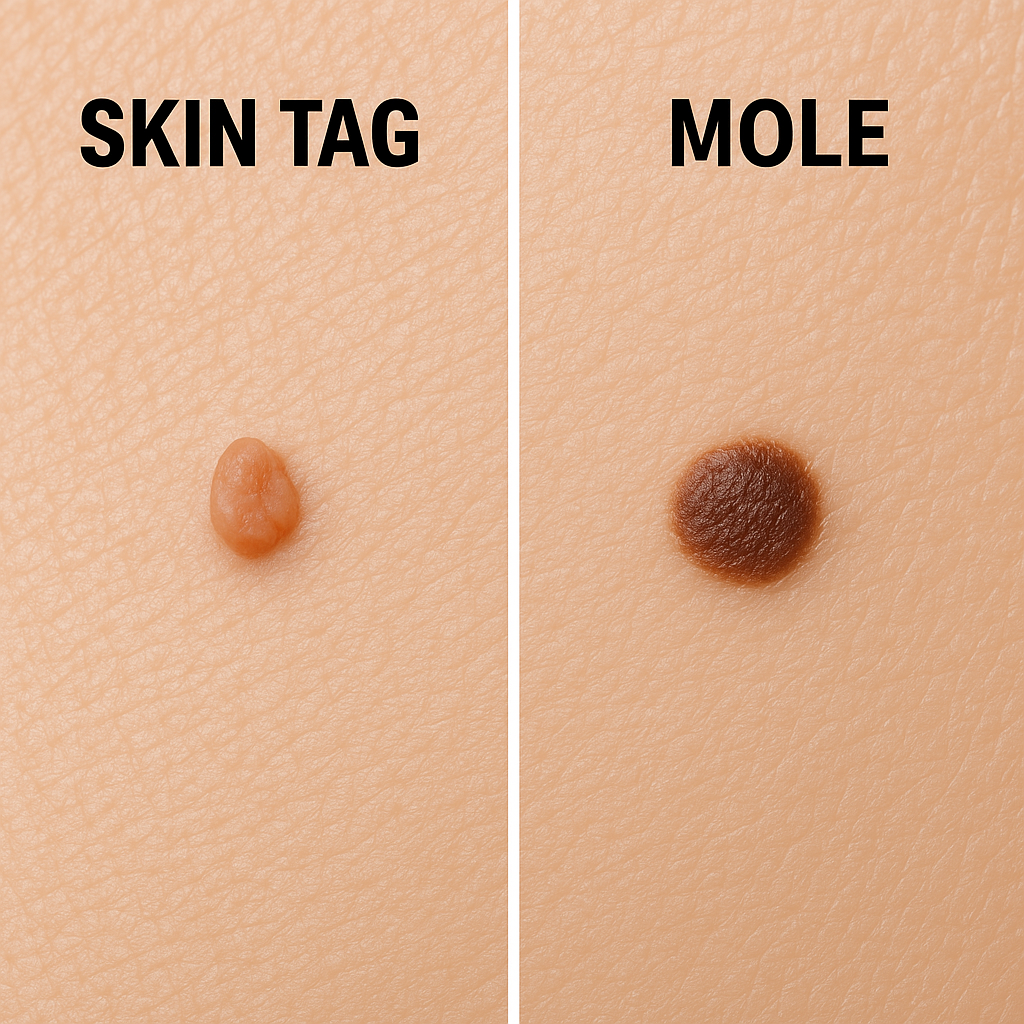
If the lesion remains and bothers you, medical alternatives are much more dependable than topical products. The key is verifying the medical diagnosis, especially if the lesion is new or altering. Unlike a surface skin tag or a mole that rests closer to the surface area, a dermatofibroma often includes the dermis, so it can really feel anchored. That deepness is one factor lotions do not provide meaningful outcomes.When Should You See A Doctor?
A physician can recognize one just by looking at or feeling it. Most are harmless, but if one bothers you, a medical professional can treat it with steroid shots, liposuction surgery, or surgical treatment. A lipoma that expands quickly or harms may be cancer cells, so make sure to tell your medical professional. Although the majority of DFs do not call for treatment, those that are symptomatic or aesthetically concerning might call for intervention. The pillar of therapy for symptomatic DFs continues to be surgical excision, yet minimally intrusive approaches such as cryosurgery and laser therapy have revealed potential. Blood Spots Nonetheless, the lack of considerable scientific evidence supporting these different therapies underscores the need for further research. Aneurysmal coarse histiocytoma looks like a bluish-brown limb blemish, occasionally proliferating because of hemorrhage right into the growth. The epithelioid histiocytoma is somewhat more usual in males, and appears to be a red polypoid growth on a limb, appearing like a pyogenic granuloma in most cases. In some patients, a background of neighborhood injury exists, normally small, such as an insect bite.Will a dermatofibroma disappear on its own?
Dermatofibromas typically do not vanish by themselves. They tend to linger for several years and might also last a life time. Nevertheless, they usually don't trigger any type of illness and frequently don't call for therapy unless they''re annoying.

❧